Zendaya’s Luxury Portfolio: Is She Looking for Her Next Jewelry House?
What Zendaya’s recent jewelry choices may reveal about the next chapter of her luxury strategy
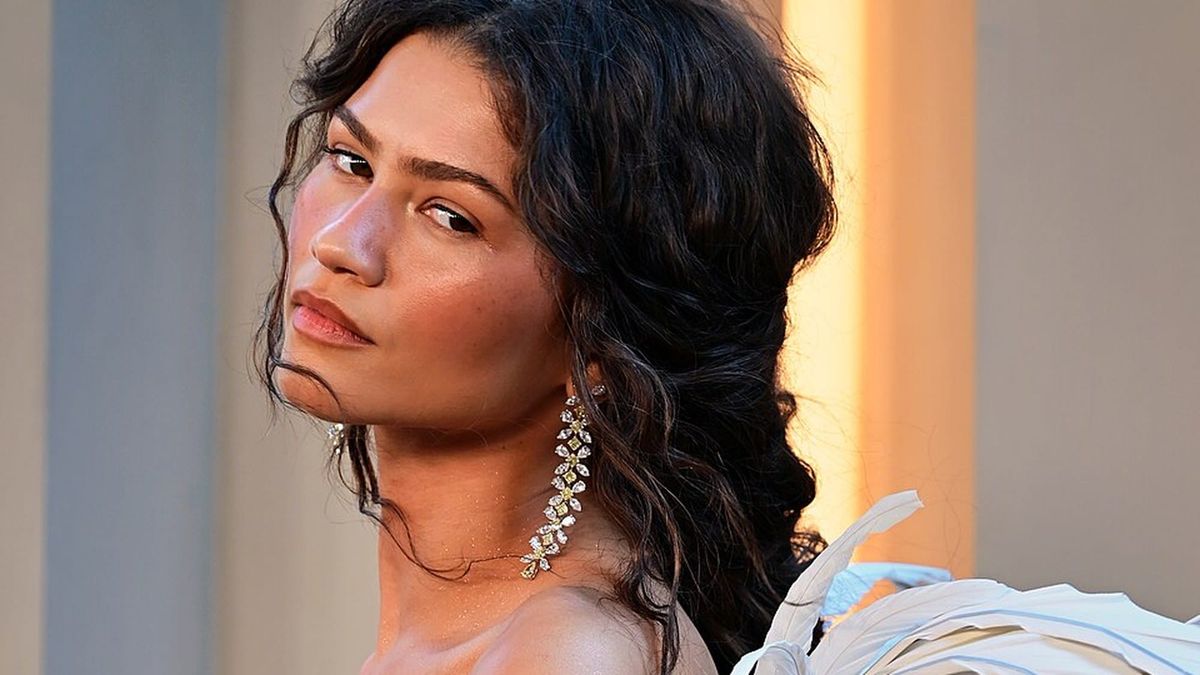
2026 has been dubbed “The Year of Zendaya.” The actor is set to appear in four major films: The Drama, The Odyssey, Spider-Man: Brand New Day and the next Dune installment, scheduled for release in December, while also returning for the final season of HBO’s Euphoria. For an actor whose filmography has remained relatively selective, this concentration of projects has created an exceptional level of visibility, with multiple major press tours making Zendaya’s fashion choices part of the story once again.
Zendaya began her career as a child actor on Disney Channel, starring in Shake It Up alongside Bella Thorne before leading K.C. Undercover, a show she also helped produce at the age of 18. Since then, she has successfully transitioned from Disney star to more mature and ambitious roles, building a filmography that remains relatively selective but progressively more influential.
Unlike some former Disney stars who have attempted to distance themselves from their childhood image through provocation or public rebellion, Zendaya chose a different path. Her transition was built on discipline, professionalism and carefully curated choices. At 30, she has achieved a level of global recognition usually associated with actors who have spent decades in the industry. Fashion has been central to that evolution, and her more structured luxury portfolio is perhaps the clearest evidence of it.
Early in her career, Zendaya and her stylist and image architect, Law Roach, understood that the red carpet could tell stories that films sometimes could not. Fashion therefore became a tool in her transition from Disney star to leading actor. Together with her team, she built an image through a series of progressively more significant relationships with fashion brands, from Dolce & Gabbana in 2016 to Tommy Hilfiger in 2019, and later to some of the world’s most influential luxury houses.
As of 2026, her commercial portfolio appears progressively more structured by category: Louis Vuitton for fashion and leather goods, Rolex for timepieces, and On for athletic and lifestyle wear. In July, she was announced as a global ambassador for Prada Beauty, adding cosmetics and fragrance to that portfolio.
This evolution did more than make Zendaya a fashion reference. It helped establish her as a sophisticated and globally recognisable public figure while her filmography has remained relatively limited. Fashion gave her visibility between projects and arguably contributed to the way Hollywood and the public came to perceive her as both a serious actor and a powerful cultural figure.
Her rise within the luxury industry also challenged some of the narrow ways in which Hollywood and fashion have historically imagined Black and mixed-race women. Zendaya was not presented as a niche alternative to luxury; she became one of its most recognisable global faces.
Her position is particularly striking because luxury portfolios of this scale and structure remain relatively rare, even among major Hollywood stars. The ability to move across several categories, from fashion and watches to beauty, reflects not only celebrity, but a particular level of cultural and commercial value.
Yet this progress should also be put into perspective. The visibility of one exceptionally successful woman does not mean that the luxury industry has solved its broader issues of representation. Zendaya herself has spoken about being perceived as an “acceptable version of a Black girl,” a reminder that race, colourism and conventional beauty standards continue to shape who is considered easily compatible with mainstream luxury. Her success therefore represents a progression, while also revealing the limits of that progression.
This context also makes Zendaya’s luxury portfolio more significant. Her presence across several of the industry’s most influential categories is not only a reflection of her individual success, but also of the kind of cultural legitimacy and commercial value that luxury houses have historically extended to only a limited number of women of colour.
For Zendaya, fashion was therefore more than a series of red carpet moments or commercial partnerships. It became part of the language through which her public image, and eventually her cultural influence, was constructed.
Despite fashion being a cornerstone of Zendaya’s public image, it is rarely the focus of the characters she plays on screen. Her costumes generally serve the story rather than becoming statements in themselves. Perhaps this is why Zendaya and Law Roach have embraced method dressing so enthusiastically during press tours: it allows fashion to become an extension of the character’s universe in a way that is not always possible on screen.
With four major press tours in 2026, each new appearance was met with anticipation from fashion watchers around the world. Whether people loved or disliked a particular look, it became part of the conversation.
Beyond the clothes themselves, however, another aspect of these appearances became more noticeable: the jewelry.
What has been most striking during these press tours is the absence of Bulgari. Zendaya became an ambassador for the Roman jewelry house in 2020, yet she has not worn the brand at a major red carpet event this year. This marks a noticeable shift from previous years, when Bulgari regularly accompanied her most high-profile appearances.
She has also not fronted a newly released Bulgari campaign in more than two years, although the house still occasionally features her in archival content on its social media platforms. The contrast was particularly noticeable during the promotion of The Odyssey, alongside Anne Hathaway, another Bulgari ambassador, who appeared in pieces from the Roman house.
Taken together, these elements raise an interesting question about the status of Zendaya’s relationship with Bulgari. They may suggest that the partnership has changed or come to an end, but without confirmation from either party, the details remain speculative.
If Zendaya is indeed currently free from an exclusive jewelry partnership, her recent press tours have offered her something rarer for a celebrity of her stature: freedom of choice. She has appeared in pieces from Chopard, Cindy Chao, Cartier, Tiffany & Co. and other houses, allowing her to move between very different jewelry identities without an obvious single brand dominating her appearances.
There may also be another strategic dimension to this apparent freedom. The red carpet can function as a kind of “hunting ground,” where celebrities, stylists and luxury houses observe one another. By wearing pieces from different brands, Zendaya and Law Roach may be exploring aesthetic compatibility while simultaneously increasing her visibility within the high-jewelry ecosystem. Whether this is part of an active search for a new partnership, however, remains impossible to know from the outside.
In 2025, Zendaya was announced as a Rolex Testimonee and appeared in the brand’s “Reach for the Crown” campaign. The partnership also felt consistent with her long-standing interest in watches: she had been photographed wearing Rolex pieces years before becoming officially associated with the brand.
She has also shown an affinity for Cartier in her personal style, wearing the house’s jewelry and watches, including pieces from the Love collection and the Panthère de Cartier. This distinction between personal taste and professional partnerships is important. A celebrity can genuinely appreciate several luxury houses while maintaining exclusive commercial relationships in specific categories.
This is where the question of a future jewelry partnership becomes particularly interesting. Rolex’s relationship with Zendaya gives the brand a highly visible position within her public image in the watch category. Cartier and Bulgari, however, occupy a space where high jewelry and watchmaking are deeply intertwined. Without knowing the details of any of Zendaya’s contracts, it is impossible to say whether this would prevent a future partnership with either house. It could nevertheless make the overall brand architecture more complex.
Tiffany & Co. presents a different strategic possibility. Although the American house also has a history in watchmaking, it is primarily identified in the public imagination with diamonds, jewelry and high jewelry. A partnership could therefore offer a clearer separation between her jewelry and watch associations. There is also a corporate dimension: Tiffany & Co. joined LVMH in 2021, the same group that owns Louis Vuitton, Zendaya’s fashion house. This existing connection could potentially make Tiffany an interesting fit within her more structured luxury portfolio.
Of course, this remains speculation. But when looking at Zendaya’s current portfolio, Tiffany & Co. appears, at least on paper, to offer one of the most coherent possibilities for a future high-jewelry partnership.
Zendaya could very well remain without an exclusive jewelry partnership. Such freedom would allow her to continue experimenting with different houses and aesthetics on the red carpet, in a way that may be more difficult within categories such as fashion, leather goods or beauty, where her commercial relationships are already clearly established.
At the same time, a major jewelry partnership could offer another kind of freedom. Celebrity endorsement deals can be extremely lucrative, potentially providing financial security that allows actors to become more selective about their creative work. For an actor and producer like Zendaya, commercial partnerships could help create the financial space to pursue projects based on artistic interest rather than immediate commercial necessity, including smaller or more independent films.
This does not mean that Zendaya needs another contract, nor that her recent jewelry choices necessarily signal an active search for one. But the question is perhaps less about whether she needs a jewelry house than about how a future partnership might fit into the more sophisticated architecture of her career.
For now, the absence of a visibly dominant jewelry house may simply be giving Zendaya something that is becoming rarer at her level of fame: the ability to choose.
This article is based on publicly available information, including official sources and documented appearances. The opinions expressed are independent and reflect a personal perspective.